Why Crafting a Mission Statement is Important?

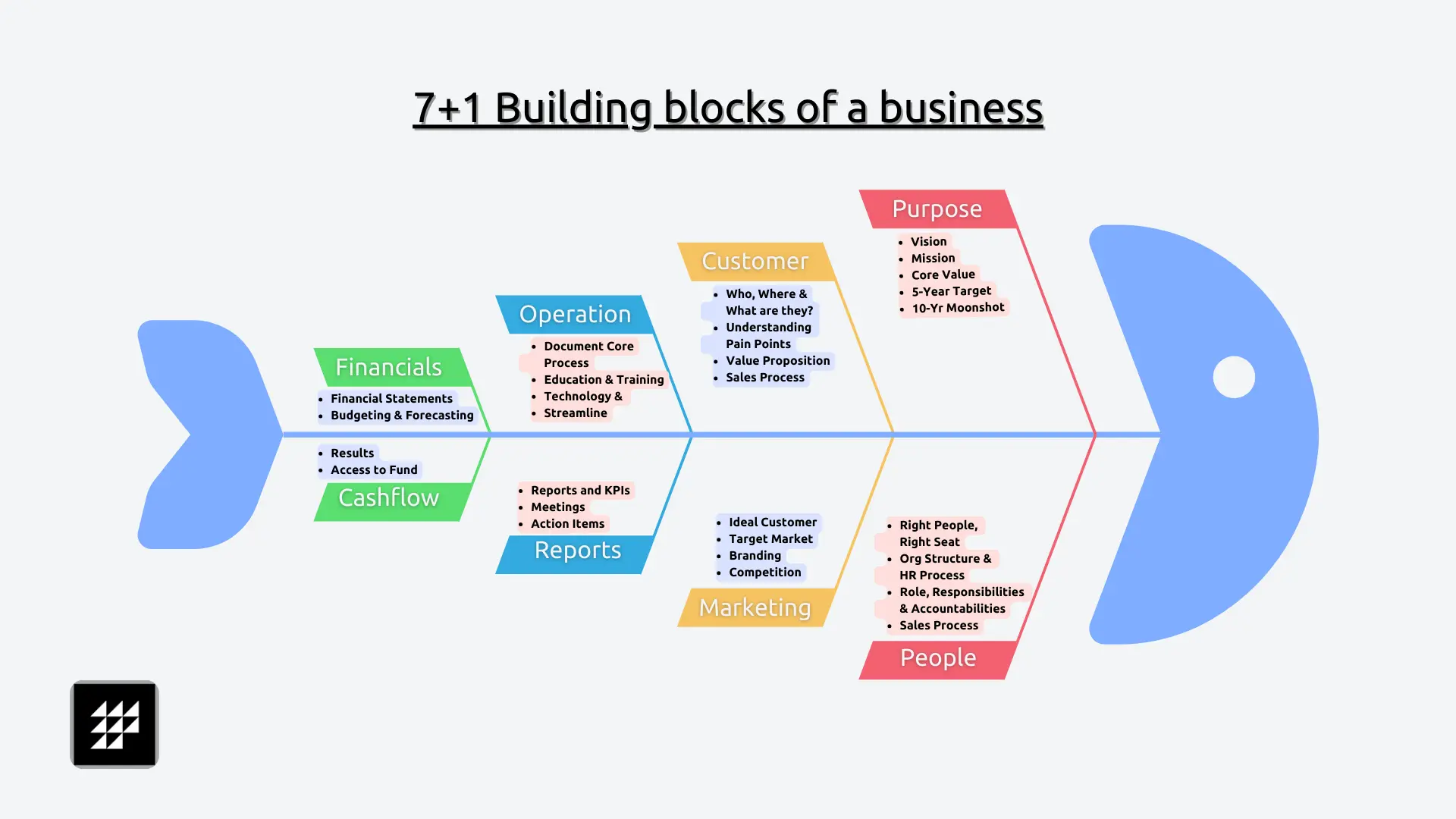
In today’s competitive business environment, having a clear mission statement is essential for businesses of all sizes and industries. A mission statement serves as the foundation of a company's purpose, providing direction and aligning its goals with its core values. At Panorama, we understand that a well-crafted mission statement can make a profound impact, not only in guiding internal decision-making but also in positioning a company effectively in the marketplace.
A mission statement is more than just a slogan or a statement of intent—it’s a strategic tool that can unify teams, differentiate the company from competitors, and attract customers and partners who share the company's values. Panorama believes that a mission statement is an essential tool for businesses of all sizes and industries. It provides a clear sense of purpose and direction, helping to guide decision-making and ensure that all activities align with the company's goals and values. It also helps to inspire and motivate employees, unifying them behind a shared vision and purpose.
Why a Mission Statement Matters
A mission statement acts as a company’s guiding star, ensuring decisions and actions align with long-term vision. It helps employees understand their role within this purpose, fostering motivation and a sense of belonging. Externally, it distinguishes a company in the marketplace, drawing in like-minded customers, investors, and partners through a shared vision. A compelling mission statement also builds trust and loyalty, emphasizing the company’s authenticity and commitment.
A mission statement is more than just a slogan or a statement of intent—it’s a strategic tool that can unify teams, differentiate the company from competitors, and attract customers and partners who share the company's values. Panorama believes that a mission statement is an essential tool for businesses of all sizes and industries. It provides a clear sense of purpose and direction, helping to guide decision-making and ensure that all activities align with the company's goals and values. It also helps to inspire and motivate employees, unifying them behind a shared vision and purpose.
Why a Mission Statement Matters
A mission statement acts as a company’s guiding star, ensuring decisions and actions align with long-term vision. It helps employees understand their role within this purpose, fostering motivation and a sense of belonging. Externally, it distinguishes a company in the marketplace, drawing in like-minded customers, investors, and partners through a shared vision. A compelling mission statement also builds trust and loyalty, emphasizing the company’s authenticity and commitment.
How to Write a Mission Statement
Creating an impactful mission statement requires thoughtful reflection and collaboration. Here’s how you can craft a mission statement that captures the essence of your business.
Define Your Purpose and Values
The first step is to clearly define the purpose of your organization. Ask yourself, "Why does our company exist?" A mission statement should succinctly describe what the organization aims to achieve and the values that drive its operations. While it should be specific enough to guide daily decision-making, it should also be broad enough to allow room for growth and evolution over time.
Involve Key Stakeholders
Gather inputs from individuals who qualify and are interested in the organization, such as leaders, employees, and even customers or partners. Their perspectives can provide valuable insights into the organization's goals and values, ensuring the mission statement accurately reflects the collective vision. This step helps foster a sense of ownership and commitment to the mission across the organization.
Brainstorm and Collect Ideas
Using the feedback from stakeholders, begin brainstorming potential ideas and phrases that describe the organization’s purpose, values, and target audience. Consider what sets your company apart and what makes it unique. This process should generate a wide array of ideas, which will serve as the foundation for your mission statement.
Draft and Refine
Once you have a list of key ideas, combine them into a cohesive draft. The goal is to create a statement that is clear, concise, and aligned with your organization’s purpose. Edit and refine the draft until it flows naturally and conveys the essence of your company. Remember, simplicity is key—avoid jargon or overly complex language.
Review and Finalize
Before finalizing the mission statement, share it with key stakeholders for feedback. This review process ensures that the statement accurately represents the organization’s values and goals. Once approved, the mission statement should serve as a guiding principle for decision-making and business strategy.
Define Your Purpose and Values
The first step is to clearly define the purpose of your organization. Ask yourself, "Why does our company exist?" A mission statement should succinctly describe what the organization aims to achieve and the values that drive its operations. While it should be specific enough to guide daily decision-making, it should also be broad enough to allow room for growth and evolution over time.
Involve Key Stakeholders
Gather inputs from individuals who qualify and are interested in the organization, such as leaders, employees, and even customers or partners. Their perspectives can provide valuable insights into the organization's goals and values, ensuring the mission statement accurately reflects the collective vision. This step helps foster a sense of ownership and commitment to the mission across the organization.
Brainstorm and Collect Ideas
Using the feedback from stakeholders, begin brainstorming potential ideas and phrases that describe the organization’s purpose, values, and target audience. Consider what sets your company apart and what makes it unique. This process should generate a wide array of ideas, which will serve as the foundation for your mission statement.
Draft and Refine
Once you have a list of key ideas, combine them into a cohesive draft. The goal is to create a statement that is clear, concise, and aligned with your organization’s purpose. Edit and refine the draft until it flows naturally and conveys the essence of your company. Remember, simplicity is key—avoid jargon or overly complex language.
Review and Finalize
Before finalizing the mission statement, share it with key stakeholders for feedback. This review process ensures that the statement accurately represents the organization’s values and goals. Once approved, the mission statement should serve as a guiding principle for decision-making and business strategy.
).webp?alt=media&token=758473f3-b4cf-4ed5-bd6c-701f1b9b8c61)


Effective Mission Statement
To craft a mission statement that stands the test of time, consider the following best practices:
Keep it concise - An effective mission statement should be short and to the point. Aim for one line that captures the essence of your business.
Make it memorable - It should be easy to remember and articulate, allowing employees and customers to recall and repeat it with ease.
Inspire action - A mission statement should evoke a sense of purpose and inspire both employees and customers to engage with your brand.
Be authentic - Authenticity is key. The mission statement should reflect the genuine values of your organization, not what you think others want to hear.
Conclusion
At Panorama, we believe that a well-crafted mission statement is a cornerstone of any successful business. It serves not only as a strategic guide for internal decisions but also as a powerful marketing tool that can attract and inspire key stakeholders. By following these steps, your organization can create a mission statement that reflects its unique purpose, unites its team, and drives its long-term success.
If you need further assistance in writing or refining your mission statement, we’re here to assist.
Refine Your Mission – 👉Take the Assessment
Keep it concise - An effective mission statement should be short and to the point. Aim for one line that captures the essence of your business.
Make it memorable - It should be easy to remember and articulate, allowing employees and customers to recall and repeat it with ease.
Inspire action - A mission statement should evoke a sense of purpose and inspire both employees and customers to engage with your brand.
Be authentic - Authenticity is key. The mission statement should reflect the genuine values of your organization, not what you think others want to hear.
Conclusion
At Panorama, we believe that a well-crafted mission statement is a cornerstone of any successful business. It serves not only as a strategic guide for internal decisions but also as a powerful marketing tool that can attract and inspire key stakeholders. By following these steps, your organization can create a mission statement that reflects its unique purpose, unites its team, and drives its long-term success.
If you need further assistance in writing or refining your mission statement, we’re here to assist.
Refine Your Mission – 👉Take the Assessment
.webp?alt=media&token=9ae95147-c060-474a-b734-7b58cd5e53ab)
.webp?alt=media&token=2e82a3cf-0563-4993-91b7-d25fee168dc6)